No products in the cart.
VBAC Vaginal Birth After Caesarean Section
VBAC — Vaginal Birth After Caesarean
VBAC has traditionally been seen as a controversial choice. For many years, the belief of “once a caesarean, always a caesarean” shaped birth discussions — but thankfully, the tide is changing as evidence and support evolve.
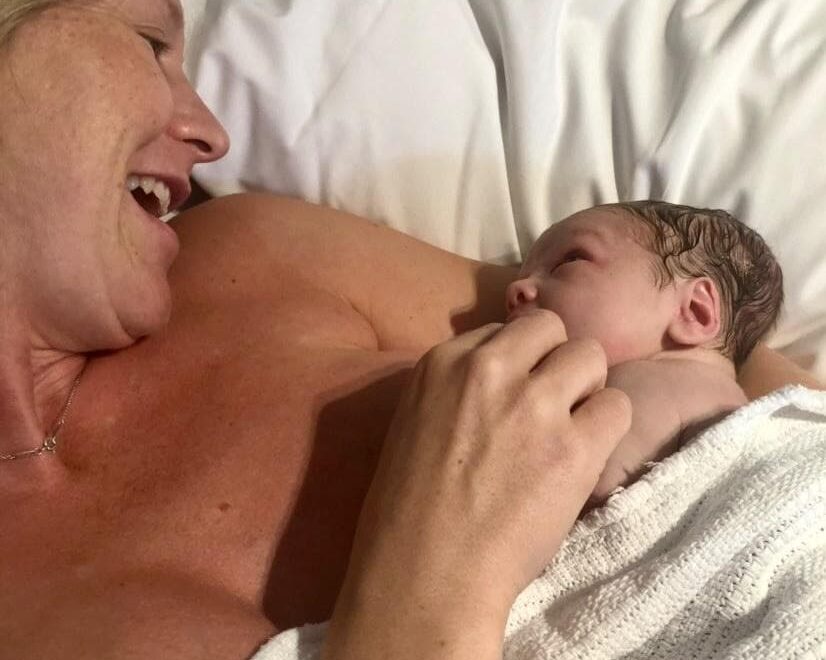
As a midwife, I feel incredibly honoured to witness more P2B mums welcoming their babies via VBAC. Seeing women feel informed, supported and empowered in their birth choices is truly special.
✨ Real words from P2B mums:
“Tory”: “My VBAC was an incredibly healing, positive experience and allowed me to feel I had control and input into my second birth. I surrounded myself with a strong, positive birth team that helped me stay on track and focus.”
“Sissel”: “I feel empowered, supported, strong! Incredibly grateful to have an OBGYN behind me who supports VBACs and my choices without compromising baby’s and mum’s health.”
Did you know?
Around 30% of babies in Australia are born via caesarean section, with about half being repeat caesareans. Less than 17% of women with a previous caesarean go on to have a vaginal birth.
One of the main risks associated with VBAC is uterine rupture, where the previous caesarean scar separates during labour. While uncommon (occurring in up to 0.7% of cases), it is a serious risk that must always be considered and discussed with your care team.
✨ Things often considered when planning a VBAC may include:
• A recommended time gap since your previous caesarean (often around 2 years, depending on your provider)
• Continuous fetal monitoring during labour
• Induction of labour may not always be offered
• Usually only one previous caesarean
• Certain medical factors may mean VBAC is not recommended (such as previous uterine rupture, classical incision, multiples, breech presentation or specific pregnancy complications)
• The reason for your previous caesarean may also influence your options.
There are risks and benefits to both VBAC and repeat caesarean births. The most important thing is making an informed decision that feels right for you — with a health professional who listens, supports and works alongside you.
Sources include The Medical Journal of Australia, Caesarean Awareness Network of Australia and The Royal Women’s Hospital, Victoria.
* The information contained in this website is for general information purposes only. The information is provided by Parents2b and while we endeavour to keep the information up to date and correct, we make no representations or warranties of any kind, express or implied, about the completeness, accuracy, reliability, suitability or availability with respect to the website or the information, products, services, or related graphics contained on the website for any purpose. Any reliance you place on such information is therefore strictly at your own risk.
April 10, 20210
0 comments
Write a comment