No products in the cart.
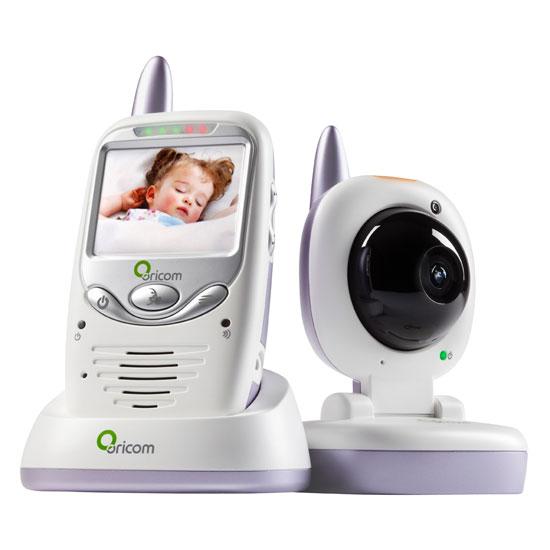
CHALLENGE! Turn the monitor off!
Why turn the monitor off (sometimes)?
I receive so many calls from mums feeling stressed because their baby “isn’t sleeping”… simply because they can see movement on the monitor.
They describe babies moving, opening and closing their eyes, making noises or seeming easily disturbed — but not crying or distressed… just active.
So let me explain what’s actually happening.
✨ Babies move through sleep cycles — just like adults.
These are called:
• REM (Rapid Eye Movement / Active Sleep)
• NREM (Non-Rapid Eye Movement / Deep Sleep)
REM sleep is a lighter, more active stage and makes up a large part of a baby’s sleep. During REM you may see:
• Twitching or body movements
• Grimacing or funny facial expressions
• Eyes fluttering under eyelids
• Chewing or sucking motions
• Little noises or brief cries
This phase often lasts around 10–20 minutes.
NREM sleep is the deeper, restful stage.
Eyes stay closed, breathing is steady and babies are much less affected by outside noise.
Here’s where monitors can make things tricky…
When parents watch the monitor without understanding sleep cycles, it can look like baby isn’t sleeping — so they step in to “help” or pick baby up. But your little one may simply be transitioning through REM.
Intervening too early can actually stop them from linking sleep cycles and settling back into deeper sleep on their own.
✨ A gentle reminder:
If your baby isn’t distressed, try watching less and listening more. Your baby will absolutely let you know when they truly need you — I promise you’ll hear them
* The information contained in this website is for general information purposes only. The information is provided by Parents2b and while we endeavour to keep the information up to date and correct, we make no representations or warranties of any kind, express or implied, about the completeness, accuracy, reliability, suitability or availability with respect to the website or the information, products, services, or related graphics contained on the website for any purpose. Any reliance you place on such information is therefore strictly at your own risk.
December 19, 20160