No products in the cart.
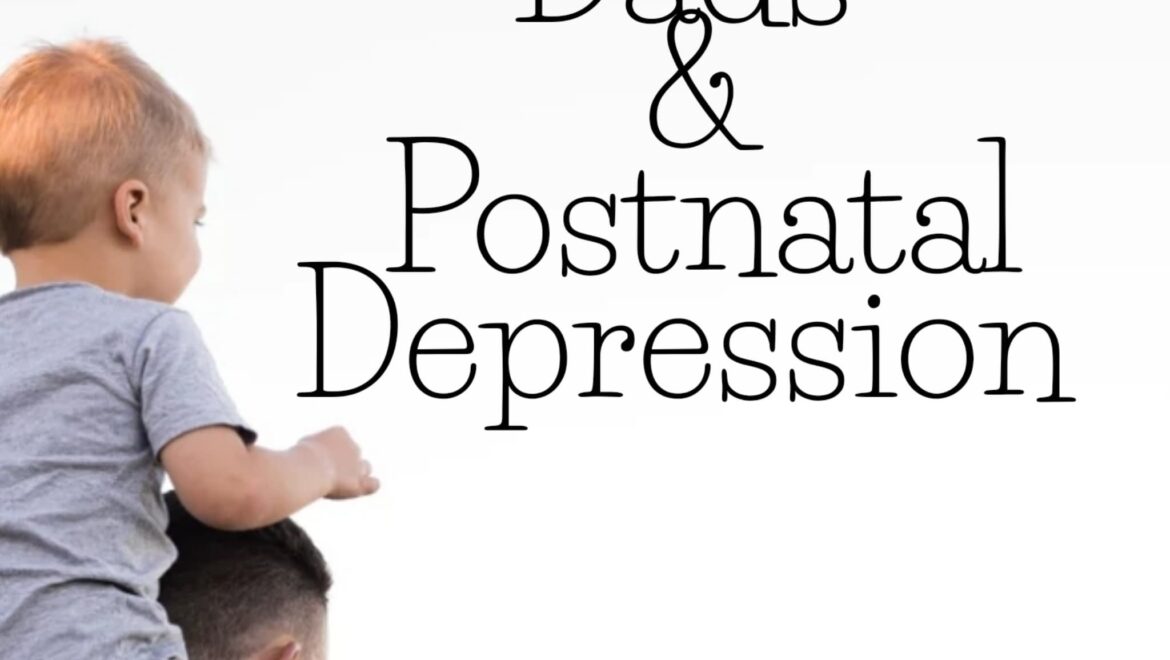
Dads & Postnatal Depression
Let’s talk about dads and perinatal mental health
Many of us know that depression around pregnancy and birth can affect mothers — but it’s important to remember that fathers are at risk too.
Depression can begin during pregnancy, and in Australia:
• Around 9% of pregnant women experience antenatal depression
• About 1 in 7 new mums develop postnatal depression
• Around 5–10% of fathers experience postnatal depression within the first year
Anxiety can be just as common for dads.
For fathers, symptoms often appear between 3–6 months postpartum, and research shows there’s a strong link between maternal and paternal mental health — when one parent is struggling, the other may be more vulnerable too.
Feeling flat, irritable or overwhelmed at times during pregnancy or after birth can be normal. But if these feelings last longer than two weeks or begin to affect daily life, it may be a sign that extra support is needed.
✨ Physical signs may include:
• Ongoing tiredness
• Changes in appetite
• Trouble sleeping or unusual sleep patterns
• Weight changes
✨ Emotional and relationship changes might look like:
• Feeling sad, guilty, anxious or angry
• Feeling isolated or disconnected
• Losing interest in things you usually enjoy
• Relationship strain or feeling excluded
✨ Changes in thinking or behaviour could include:
• Difficulty concentrating or making decisions
• Feeling overwhelmed or unable to cope
• Withdrawing from family or spending more time at work
• Increased anger or conflict
• Using alcohol or substances to cope
• Thoughts about death or suicide (please seek immediate support if this is happening).
Some parents may be more vulnerable if they’ve experienced depression before, have limited support, financial stress, a difficult birth experience, a sick baby, or if parenting feels very different from expectations.
If you — or your partner — are struggling, you are not alone, and support is available.
📞 Beyond Blue: 1300 22 4636
📞 PANDA: 1300 726 306
📞 MensLine: 1300 789 978
🩺 Speak with your GP, community health centre or local mental health services.
Reaching out is a sign of strength — for you, your partner and your family.
Source: Beyond Blue & Raising Children Network
* The information contained in this website is for general information purposes only. The information is provided by Parents2b and while we endeavour to keep the information up to date and correct, we make no representations or warranties of any kind, express or implied, about the completeness, accuracy, reliability, suitability or availability with respect to the website or the information, products, services, or related graphics contained on the website for any purpose. Any reliance you place on such information is therefore strictly at your own risk.
April 19, 20210
0 comments
Write a comment