

No products in the cart.
The Cause of Early Morning Wake Ups
Early waking & cortisol — why daytime sleep matters
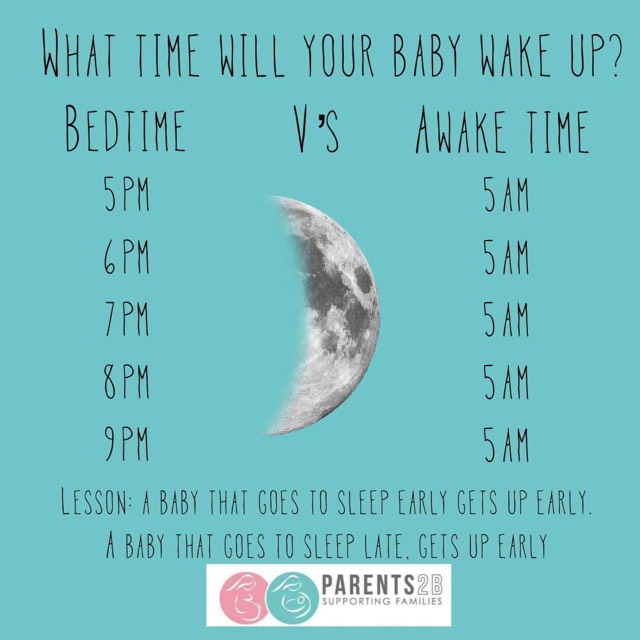
Early morning waking is often directly linked to your baby’s daytime sleep schedule.
One of the biggest contributors to early waking is elevated cortisol — the hormone that wakes us up. When babies become sleep deprived, their bodies release more cortisol as a stress response. This can make it harder to settle and lead to those frustrating early starts to the day.
✨ How does cortisol work?
Cortisol levels are at their lowest about 3–5 hours after we fall asleep, then slowly rise through the night. If your baby goes to bed overtired or with poor day sleeps, cortisol may already be high — which can trigger early morning waking.
Think of it like an adult “second wind.” You’re exhausted after a long day, but suddenly feel wired and can’t switch off. Babies experience this too.
Our bodies naturally produce melatonin during the sleep window to help us fall asleep. But if that window is missed, cortisol steps in to keep us going — often showing up as a burst of energy after tired signs. And once that cortisol rush hits, settling becomes much harder.
✨Why understanding tired signs matters
Before babies can talk, they communicate sleep needs through their body language. These cues can be subtle and easy to miss — especially when little ones are already tired or overstimulated.
✨ Common tired signs:
• Yawning
• Jerky arm and leg movements
• Mood changes (happy to grizzly)
• Frowning or staring into space
• Clenched fists
• Face scratching or ear pulling
• Finger or fist sucking for comfort
• Burying their face into your chest
• Eye rubbing
• Becoming less coordinated
• Arching or leaning backwards
✨ Overtired signs that are often misread:
• Waking after one sleep cycle (~45 minutes)
• Frequent short power naps (~20 minutes)
• Early morning wakes (3–5am)
• Falling asleep instantly when held or feeding
• Good sleep early in the night followed by frequent waking
• Difficulty settling into the cot
• Crying as soon as the bedtime routine begins
Once you notice these signs — or even sense they’re approaching — begin your wind-down routine. A longer, calmer wind-down can help your baby settle more easily and prevent that cortisol spike.
Understanding sleep windows, tired cues and daytime sleep needs can make navigating sleep feel so much easier
* The information contained in this website is for general information purposes only. The information is provided by Parents2b and while we endeavour to keep the information up to date and correct, we make no representations or warranties of any kind, express or implied, about the completeness, accuracy, reliability, suitability or availability with respect to the website or the information, products, services, or related graphics contained on the website for any purpose. Any reliance you place on such information is therefore strictly at your own risk.
January 17, 20180